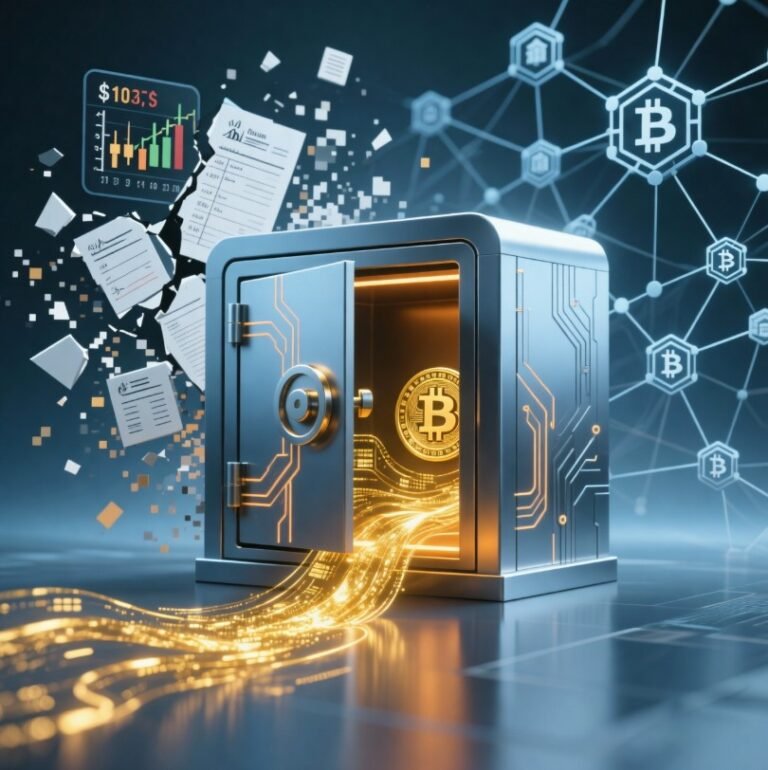


Blockchain Asset Tokenization Redefines Ownership Structures
Blockchain asset tokenization has become one of the most significant developments in modern financial infrastructure. By converting real-world assets into digital tokens recorded on blockchain networks, ownership can be divided, transferred, and settled with unprecedented efficiency. Assets ranging from real estate and private equity to commodities and intellectual property are now entering tokenized markets.
This transformation allows traditionally illiquid assets to gain liquidity while expanding investor participation beyond geographic and institutional barriers. As tokenization platforms mature, blockchain asset tokenization is shifting from theoretical innovation into practical financial engineering.
Financial Institutions Enter the Tokenization Race
Major banks, asset managers, and stock exchanges are now launching tokenization initiatives. Their involvement reflects growing confidence that blockchain-based asset markets will complement or eventually integrate with traditional capital markets.
Tokenized securities platforms enable near-instant settlement, transparent ownership records, and reduced administrative overhead. These efficiencies are particularly attractive for private markets where transaction friction has historically limited access. Consequently, institutional participation is accelerating blockchain asset tokenization across global financial centers.
Real Estate Markets Gain Liquidity
Real estate tokenization has emerged as a prominent use case. By dividing property ownership into digital shares, investors can gain exposure to real estate assets without purchasing entire properties. This model lowers entry barriers and enables continuous trading of real estate-backed tokens.
Developers benefit from broader funding sources, while investors gain diversified portfolios. However, regulatory compliance, legal enforceability, and property management integration remain critical components shaping real estate tokenization frameworks.
Commodities and Trade Finance Move On-Chain
Tokenization is also transforming commodity markets and trade finance. Tokenized gold, oil, and carbon credits allow digital trading of physical assets with transparent reserve verification. Meanwhile, blockchain-based trade finance platforms tokenize invoices and shipping documents to streamline cross-border transactions.
These implementations reduce paperwork, settlement delays, and counterparty risk. As adoption grows, blockchain asset tokenization is modernizing industries that have historically relied on manual verification processes.
Legal Frameworks Shape Market Confidence
Ownership rights and legal enforceability are fundamental to asset tokenization success. Jurisdictions are now updating securities laws and property frameworks to recognize tokenized ownership records.
Without clear legal backing, tokenized assets risk being treated as unregulated instruments. Therefore, collaboration between blockchain developers, legal experts, and regulators has become essential in establishing trustworthy tokenization ecosystems.
Custody and Security Requirements Intensify
Tokenized assets require secure custody solutions that protect both private keys and underlying ownership claims. Institutional custodians are expanding services to include tokenized securities and real-world asset tokens.
Multi-layer security frameworks, insurance coverage, and compliance reporting are being integrated into custody systems. These developments illustrate how blockchain asset tokenization is driving convergence between crypto custody and traditional asset safeguarding practices.
Market Liquidity Evolves Through Fractional Ownership
Fractionalization enables assets to be divided into smaller ownership units, allowing broader participation and increased trading activity. This mechanism improves liquidity for assets that were previously difficult to sell quickly.
However, secondary market development remains a key challenge. Exchanges and trading platforms must integrate regulatory-compliant token markets to sustain liquidity growth. As these platforms mature, tokenized asset markets are expected to become more efficient and accessible.
Interoperability Enables Global Market Access
Interoperable blockchain networks allow tokenized assets to move across platforms and trading venues. This connectivity supports global investor participation and cross-market liquidity.
Yet, interoperability also introduces security and settlement complexity. Ensuring consistent ownership records across multiple chains requires advanced cross-chain verification protocols. As a result, interoperability design is now central to blockchain asset tokenization infrastructure.
Investor Protection and Transparency Improve
Blockchain-based ownership records enable real-time auditability of asset supply, transaction history, and custody status. This transparency reduces fraud risk and increases investor confidence.
As reporting systems integrate blockchain data feeds, regulators and investors gain better oversight of market activity. This improved transparency is a key advantage driving institutional acceptance of tokenized assets.
The Economic Impact of Tokenization
By reducing transaction costs and opening new investment channels, blockchain asset tokenization has the potential to unlock trillions of dollars in dormant asset value. Emerging markets, in particular, could benefit from increased access to global capital through tokenized funding structures.
However, adoption pace will depend on legal harmonization, infrastructure maturity, and market education.
The Future of Blockchain Asset Tokenization
Looking ahead, blockchain asset tokenization is expected to expand into government bonds, infrastructure projects, intellectual property licensing, and revenue-sharing contracts. As frameworks mature, tokenized markets may integrate seamlessly with traditional financial systems.
The long-term vision is a unified global marketplace where ownership transfer is instant, transparent, and borderless. Achieving this will require continued collaboration across technology, finance, and regulation. If successful, tokenization may become blockchain’s most transformative contribution to global economic infrastructure.
About the Author