
In 2025, money no longer moves at the speed of banks—it moves at the speed of the internet. Real-time payments infrastructure has become one of the most transformative forces in fintech, reshaping global commerce, consumer expectations, and the competitive dynamics of the financial sector. What once took days now takes seconds, and this shift is fundamentally altering how businesses operate and how consumers interact with money.
For decades, legacy payment systems relied on batch processing and settlement delays that reflected the technological limitations of the past. Consumers adapted to waiting periods, while businesses absorbed the inefficiencies as a cost of operating within the system. Fintech companies recognized this friction as an opportunity. By leveraging modern cloud infrastructure, APIs, and instant settlement rails, they began building payment solutions that operate continuously, without the constraints of banking hours or geographic boundaries.
National real-time payment systems have been a major catalyst. Platforms such as India’s UPI, Brazil’s PIX, the United States’ FedNow, and Europe’s SEPA Instant Credit Transfer have provided the backbone for instant payments at scale. These systems allow individuals and businesses to send and receive money instantly, with full transparency and low costs. Fintech firms have built layers of innovation on top of these rails, delivering user-friendly interfaces, automation tools, and value-added services.
The impact on consumers is immediate and tangible. Peer-to-peer transfers settle instantly. Salaries can be paid daily or even hourly. Refunds arrive in seconds instead of days. For many users, delayed payments now feel antiquated and unacceptable. This shift in expectations has forced banks and payment processors to modernize or risk losing relevance to more agile fintech competitors.
Businesses, particularly small and medium-sized enterprises, have seen even greater benefits. Instant settlement improves cash flow visibility, reduces reliance on credit lines, and enables more efficient inventory management. Marketplaces and gig platforms can pay workers in real time, increasing loyalty and participation. Subscription businesses benefit from reduced churn as payment failures are identified and resolved immediately.
Cross-border commerce is also being transformed. While international payments have traditionally been slow and expensive, fintech-driven solutions are dramatically reducing friction. By combining local real-time rails with intelligent routing, liquidity optimization, and digital wallets, fintech platforms enable near-instant international transfers at a fraction of historical costs. This capability is empowering freelancers, exporters, and global businesses to operate without the financial barriers that once limited growth.
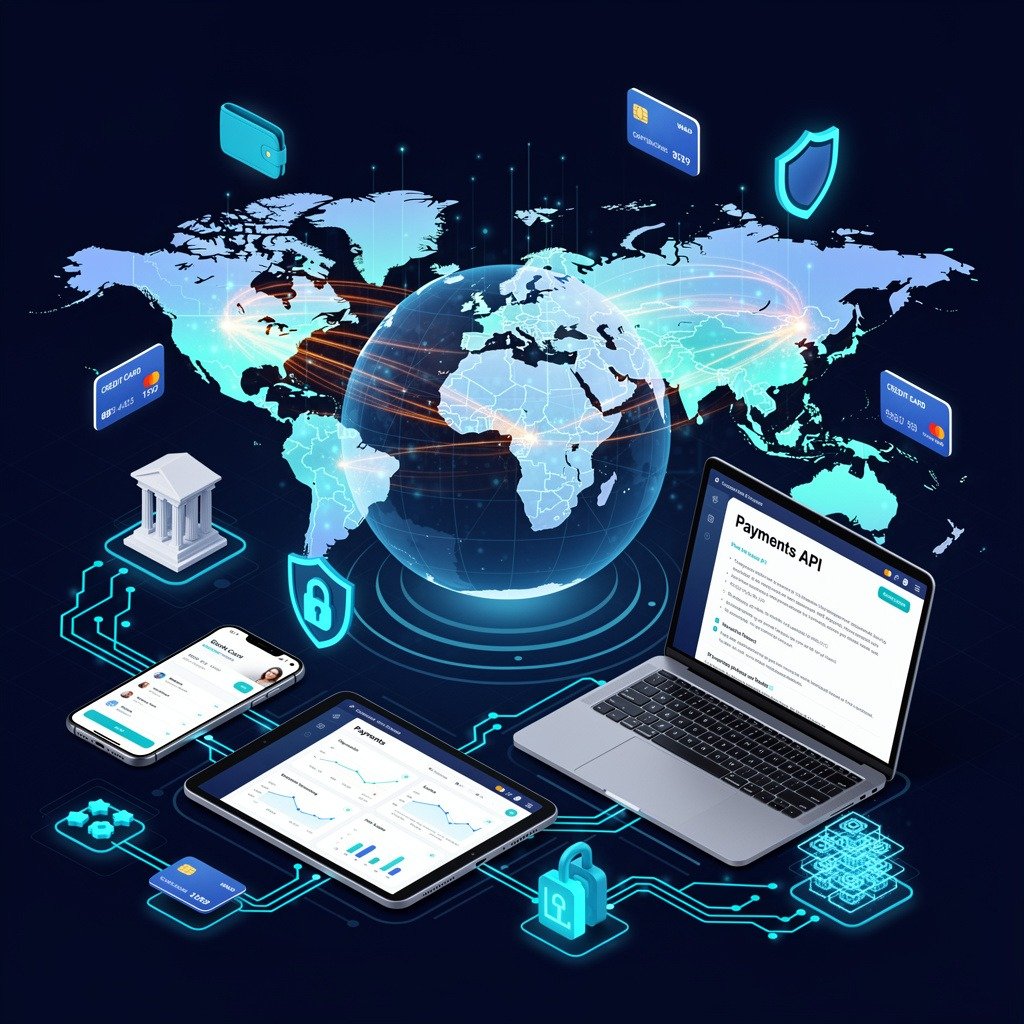
Behind the scenes, APIs play a crucial role. Fintech companies expose programmable payment interfaces that allow developers to embed payments directly into apps, websites, and platforms. This programmability enables automated invoicing, conditional payments, escrow services, and real-time reconciliation. Payments are no longer static transactions; they are programmable events that trigger workflows across the digital economy.
Security and resilience are critical components of this new infrastructure. Real-time systems leave little room for manual intervention, making robust fraud detection essential. AI-driven monitoring systems analyze transactions in milliseconds, identifying anomalies and preventing fraud before funds move irreversibly. Tokenization, encryption, and biometric authentication further protect users, ensuring trust in instant payment environments.
Regulation has evolved alongside innovation. Policymakers recognize that real-time payments are essential infrastructure, not optional features. Regulatory frameworks increasingly emphasize interoperability, access, and consumer protection. In many regions, regulators are mandating open access to payment rails, preventing monopolization and encouraging competition. This regulatory support has accelerated adoption and innovation across the ecosystem.
Traditional financial institutions face both opportunity and disruption. Banks that invest in modern payment infrastructure can reduce operational costs, attract new customers, and partner effectively with fintech firms. Those that cling to legacy systems risk disintermediation as payments shift to digital wallets, embedded finance platforms, and fintech-led ecosystems. The payments layer—once a utility—is now a strategic battleground.
Looking ahead, real-time payments will serve as the foundation for broader financial innovation. Smart contracts, automated lending, dynamic pricing, and machine-to-machine payments all rely on instant settlement. As the Internet of Things expands and AI-driven agents transact autonomously, real-time money movement becomes not just convenient but essential.
In Conclusion
In 2025, payments infrastructure is no longer invisible plumbing—it is a defining feature of modern finance. Fintech has transformed payments into a real-time, programmable, and global capability that supports commerce at digital speed. The result is a more efficient, inclusive, and interconnected financial ecosystem where money moves as freely as information.
About the Author