
Blockchain Supply Chains Move Into the Spotlight
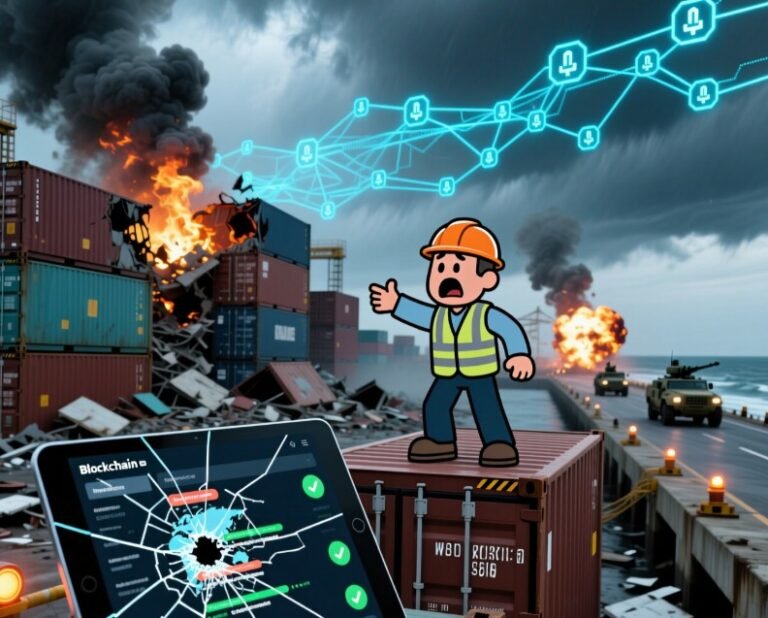
Blockchain Supply Chains are gaining new attention as the U.S.-Iran war disrupts shipping, energy markets, and trade finance. For years, blockchain in logistics was treated as a long-term experiment. Now, companies are looking at it as a possible tool for crisis management.
The reason is clear. Global trade depends on trust, documents, and timing. When war disrupts shipping routes, every weak point becomes more visible. Cargo owners need to know where goods are. Banks need to confirm who is involved in a shipment. Insurers need to price risk. Customs agencies need accurate records. If these systems do not work together, delays can spread quickly.
The Strait of Hormuz crisis has made this issue more urgent. Reuters reported on April 29, 2026, that shipping through the strait had fallen sharply amid the U.S.-Iran deadlock, with far fewer vessels passing than normal. Reuters also reported on April 30, 2026, that oil prices were moving sharply as Iran warned of a painful response if U.S. attacks resumed.
For blockchain companies, this moment is important. It is not enough to describe blockchain as innovative. The technology now has to prove that it can solve practical problems during a real crisis.
Trade Still Runs on Fragmented Records
The global supply chain is highly digital, but it is not always connected. A shipping company may use one system. A bank may use another. A customs agency may rely on a different database. A freight forwarder may still need emailed documents or scanned files.
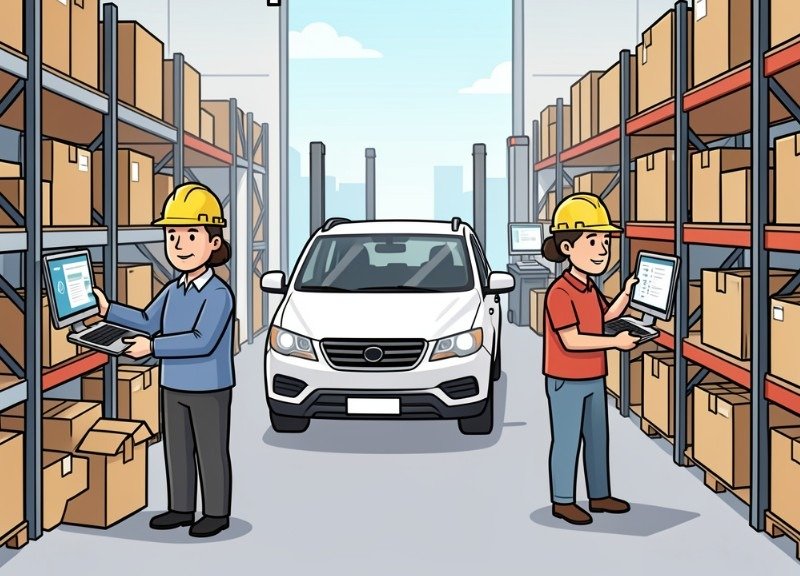
Blockchain can help by creating a shared record. In a blockchain-based supply chain system, approved parties can see the same verified information. A bank, exporter, importer, insurer, and customs agency can all check the same document history. As a result, they do not need to compare several versions of the same file.
This does not remove geopolitical risk. Blockchain cannot reopen a shipping lane. It cannot lower oil prices. However, it can reduce confusion. In a crisis, that can make a meaningful difference.
Trade Finance Becomes a Key Use Case
Trade finance is one of the most document-heavy parts of global commerce. A single shipment may require invoices, packing lists, certificates of origin, inspection documents, insurance papers, and payment guarantees. If one document is missing, payment can be delayed.
Blockchain systems can make these records easier to verify. For example, a digital bill of lading can show who controls a shipment. A smart contract can release payment when agreed conditions are met. A bank can review digital records instead of waiting for physical paperwork.
This is especially useful when banks become cautious. During geopolitical conflict, financial institutions must screen counterparties, vessels, ports, and payment routes. They must also check sanctions rules. If records are clear and verified, compliance teams can work faster.
Even so, blockchain adoption is not automatic. A supply chain network is useful only when enough parties use it. If one company joins but banks, ports, and insurers do not, the system has limited value. Therefore, the next stage will depend on cooperation across the industry.
Energy Markets Add Pressure
Energy trade is one of the areas most affected by the Gulf crisis. Oil and gas shipments depend on secure routes, reliable documents, and fast settlement. When risk increases, the cost of delay also increases.
Blockchain could support this market by creating clearer records for cargo ownership, insurance status, and payment obligations. It could also help with tokenized commodity claims. In simple terms, a digital token can represent a claim on a real-world asset, such as oil or metals.
However, tokenization is not a complete solution. It still needs trusted inspections, legal recognition, and secure custody. A token is useful only if the real asset behind it is properly verified.
Still, higher energy prices can increase interest in better digital systems. When each shipment becomes more valuable, companies become less willing to accept document errors, fraud, or slow settlement.
Sanctions Compliance Raises the Stakes
Sanctions are another reason blockchain supply chains are receiving attention. During war, governments may restrict banks, shipping firms, ports, energy companies, and individuals. Businesses must then prove that they are not dealing with prohibited parties.
Blockchain can create an audit trail. It can show when a document was approved, who approved it, and how ownership changed. This can help compliance teams.
However, blockchain is not automatically compliant. If false information is entered into the system, the ledger will preserve false information. Therefore, identity checks remain essential. Blockchain works best when it is connected to reliable know-your-customer systems, sanctions screening tools, customs data, and vessel registries.
This is why many enterprise blockchain projects now use permissioned networks. In these systems, participants are known. Access is controlled. Sensitive business data can be protected. Regulators can also receive visibility when required.
This model may appeal to banks and governments. It offers more control than open public networks. At the same time, it keeps the benefits of shared verification.
Industry Response Becomes More Practical
The blockchain industry has changed since the speculative boom years. Many companies now focus less on broad promises and more on narrow business problems. In supply chains, that means fewer document errors, faster approvals, clearer records, and better risk monitoring.
Blockchain vendors that understand these needs may gain more attention. Those that rely only on vague claims about decentralization may struggle.
There is also competition. Artificial intelligence can predict delays. Satellite data can track ships. Cloud platforms can connect documents. Traditional databases can solve many problems. Therefore, blockchain must show where it adds unique value.
Its strongest argument is shared trust. When several parties need the same verified record, blockchain can be useful. That is especially true when the parties do not fully trust each other.
Risks Remain
Blockchain supply chain systems still face major risks. Legal recognition is not the same in every country. A digital document may be accepted in one market but questioned in another. This creates uncertainty for cross-border trade.
Cybersecurity is another concern. A blockchain ledger may be hard to change, but wallets, passwords, private keys, and connected systems can still be attacked. During war, cyber risk often rises.
Data quality is also a problem. Blockchain can prove that information was entered at a certain time. It cannot prove that the information was true. For that, companies still need inspections, sensors, trusted authorities, and strong governance.
Governance may be the biggest challenge. A supply chain network needs clear rules. Participants must know who can join, who validates records, who resolves disputes, and who pays for the system. Without those answers, adoption can slow.
A Serious Test for Blockchain Infrastructure
The U.S.-Iran war has made supply chain weaknesses more visible. Shipping disruption, sanctions risk, energy volatility, and payment delays all point to the same problem. Global trade needs better visibility.
Blockchain Supply Chains may help because they create shared records in low-trust environments. That does not make them a cure for war or inflation. However, it may make them useful infrastructure.
The next phase will depend on execution. Successful platforms will need legal support, privacy protection, strong identity controls, and real integration with banks, ports, insurers, and customs agencies.
For now, the industry faces a clear test. If blockchain can help companies manage disruption with faster verification and better records, it may move closer to mainstream trade infrastructure. If it cannot, many supply chain projects may remain limited pilots.
The crisis has made one point clear. In global trade, visibility is no longer optional. It is becoming a core part of resilience.
About the Author