

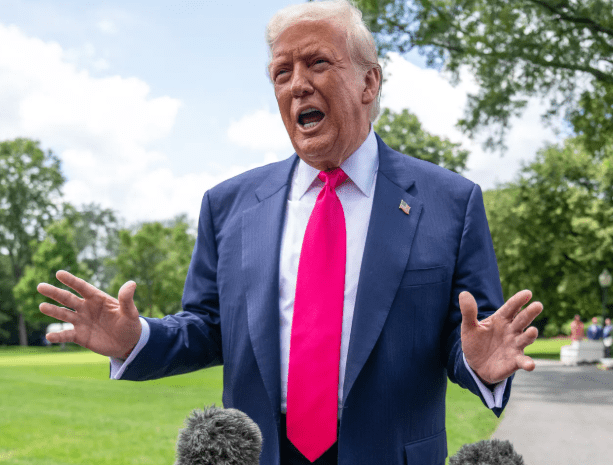
In a dramatic turn for the crypto world, former U.S. President Donald Trump granted a full pardon to Changpeng “CZ” Zhao, the founder of Binance, the largest cryptocurrency exchange by volume. This development has significant regulatory implications and opens up new debates around fairness, influence, and the future of crypto regulation in America.
Background: Why CZ Was Convicted
- CZ pleaded guilty in 2023 for violating the Bank Secrecy Act, admitting that Binance failed to prevent illicit financial activities.
- Binance agreed to pay $4.3 billion as part of a broader settlement.
- Zhao also received a personal fine of $50 million and served a four-month prison sentence.
Details of the Pardon
- The pardon was granted by Trump in October 2025.
- White House officials framed the decision as a corrective measure, criticizing prior regulatory actions under the Biden Administration.
- In response, CZ expressed gratitude and emphasized his intent to support U.S. crypto leadership.
Why It Matters to Crypto Regulation
- Symbol of a Pro-Crypto Stance:
The pardon is seen by many as signaling a more friendly approach to crypto under Trump’s influence. - Regulatory Precedent:
Clearing CZ’s record may embolden other industry figures and token issuers seeking favorable outcomes. - Potential Return to Power:
With his conviction wiped clean, some are speculating whether CZ could re-engage with Binance’s growth or other crypto ventures. - Criticism & Conflict of Interest:
Critics argue the pardon may reflect political favoritism. Some lawmakers have raised questions about lobbying, Trump family crypto ties, and the rule of law.
Market Reaction
- After the news broke, BNB (Binance’s native token) saw notable gains as investors interpreted the pardon as a regulatory green light for Binance’s future.
- The move has also sparked deeper discussion around the power dynamics between crypto entrepreneurs and political leadership.
Conclusion:
This pardon is more than just a legal act — it’s a symbolic moment for the crypto industry. It may shift how regulators, politicians, and entrepreneurs view accountability, compliance, and the evolving relationship between digital finance and government.
About the Author