

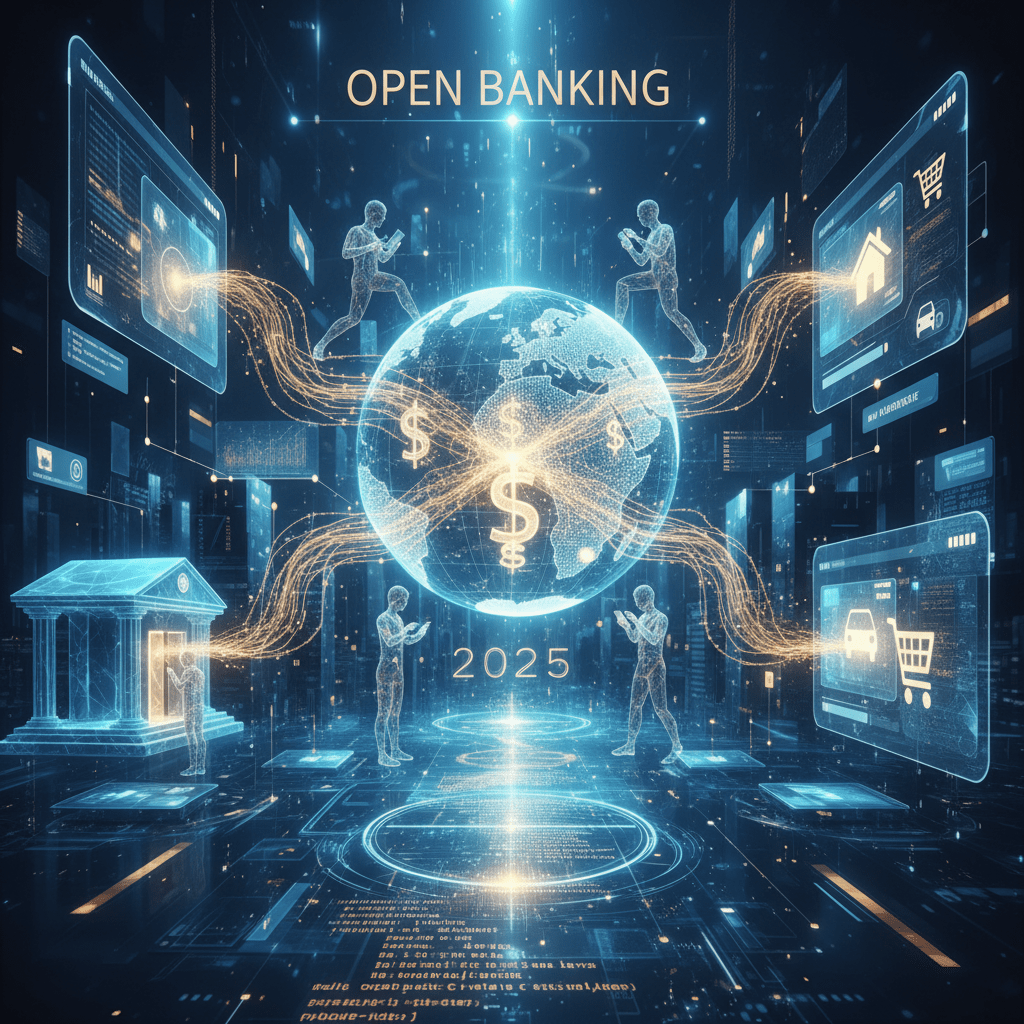
In 2025, open banking has transitioned from a regulatory experiment to a cornerstone of modern finance, fundamentally altering how consumers, banks, and fintech companies interact. What began as a push for data sharing and increased competition has evolved into a comprehensive ecosystem enabling seamless financial experiences, personalized services, and broader access to credit and investment opportunities.
Open banking relies on the secure sharing of consumer-permissioned financial data through standardized APIs. By enabling third-party providers to access banking data, consumers gain more control over their financial lives. They can aggregate accounts, receive tailored product recommendations, automate payments, and even apply for credit without navigating multiple platforms or completing extensive paperwork.
Europe led the movement with PSD2 (Payment Services Directive 2), and its success has inspired global adoption. The UK’s Open Banking initiative and India’s Account Aggregator framework have created mature ecosystems that allow fintech companies to compete on a level playing field with traditional banks. In North America, regulatory momentum is building, with proposals for nationwide data portability and API standards aimed at fostering innovation while safeguarding consumer privacy.
One of the most profound impacts of open banking is on financial inclusion. By leveraging transaction data and alternative credit signals, fintech firms can extend loans to populations previously excluded from traditional banking. AI-driven models analyze cash flow, bill payment behavior, and subscription activity to assess creditworthiness. In emerging markets, this has empowered millions of consumers and small businesses to access microloans, enabling entrepreneurship, wealth creation, and economic mobility.
Open banking also drives personalization in financial services. AI algorithms can provide customized budgeting, investment, and savings advice based on a holistic view of a consumer’s financial data. For example, fintech platforms can suggest optimal credit utilization, dynamically adjust saving targets, and offer personalized insurance policies. This data-driven approach not only improves financial literacy but also enhances trust and engagement.
Embedded finance has flourished in tandem with open banking. By integrating financial services into non-financial platforms, consumers can access banking, payments, lending, and investment products at the point of need. Open banking APIs make this possible by allowing apps to initiate payments, verify account balances, and manage transfers in real time. This convergence of embedded finance and open banking creates frictionless financial experiences that were unimaginable a decade ago.
The commercial implications are significant. Fintech startups leveraging open banking can launch new products rapidly without the burden of establishing traditional banking infrastructure. Established banks, in turn, can open up their services via APIs, monetizing their platforms while partnering with innovative companies to retain relevance. This cooperative model blurs the lines between traditional banking and fintech, creating a more dynamic financial ecosystem.
Security remains a central concern. With greater data accessibility comes increased responsibility to protect consumer information. Standards for encryption, authentication, and consent management are evolving rapidly. Financial institutions and fintech providers invest heavily in cybersecurity, AI-driven fraud detection, and secure identity verification. Consumer trust is paramount: without it, open banking adoption could stall, undermining the broader digital finance revolution.
Cross-border adoption of open banking is also accelerating. Fintech companies are leveraging international APIs to enable multi-currency accounts, seamless global payments, and real-time cross-border lending. This capability benefits small businesses operating internationally, remote workers receiving payments from abroad, and consumers engaging in global e-commerce. Open banking is thus contributing to a more connected, global financial ecosystem.
The benefits of open banking extend beyond consumers and businesses. Regulators gain visibility into financial activity and can monitor systemic risk more effectively. Real-time data allows for better policymaking, anti-money laundering enforcement, and fraud prevention. By enabling transparency and accountability, open banking strengthens the integrity of the financial system while fostering innovation.
Challenges remain. Standardization across jurisdictions is uneven, and data portability laws vary widely. Privacy concerns continue to influence adoption, particularly in regions without strong consumer protection frameworks. Moreover, as more financial decisions are automated via AI and data-driven tools, ethical considerations around bias, explainability, and consumer consent become increasingly important.
Despite these hurdles, the trajectory of open banking is clear: it is reshaping how financial services are delivered, consumed, and regulated. By placing control of financial data into the hands of consumers, enabling AI-powered personalization, and fostering collaboration between fintechs and traditional banks, open banking has become a foundational component of modern finance.
Looking ahead, open banking is likely to evolve toward open finance and open ecosystems encompassing not just banking but insurance, investments, pensions, and other financial products. As more industries embrace data interoperability, consumers will enjoy unprecedented convenience, choice, and control over their financial lives. The result is a financial landscape that is more inclusive, efficient, and responsive to individual needs.
In conclusion, open banking represents the data-driven revolution at the heart of fintech’s growth in 2025. By combining secure data sharing, AI analytics, and embedded financial services, open banking is redefining trust, access, and personalization in finance. It is not merely a regulatory requirement—it is a technological and cultural transformation, shaping the future of global finance.
About the Author