
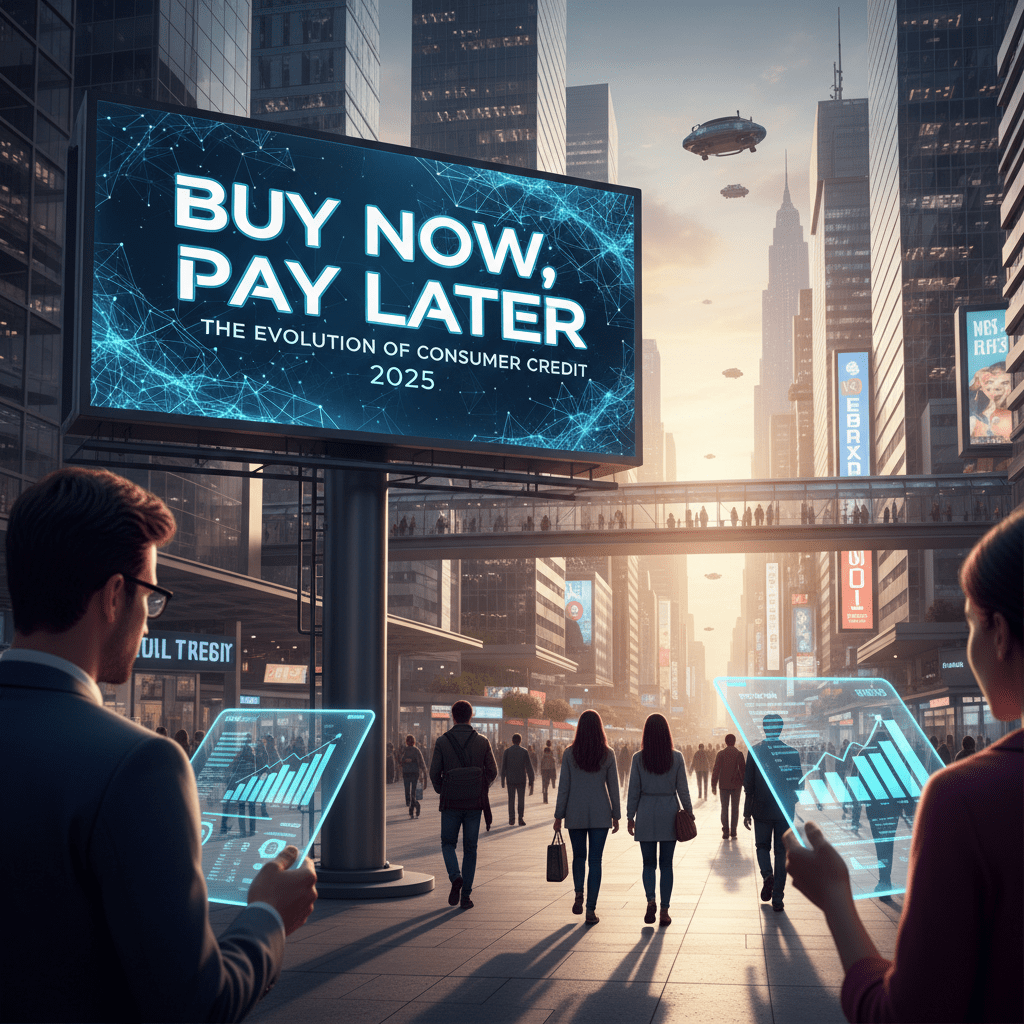
In 2025, consumer credit is no longer a static, one-size-fits-all product issued by banks. The Buy Now, Pay Later (BNPL) revolution, which began as a niche financing alternative in the early 2010s, has matured into a global force reshaping how consumers access credit, manage cash flow, and make purchases. What started as a convenience tool for online shoppers has evolved into a sophisticated ecosystem influencing regulatory frameworks, payment infrastructure, and even financial literacy.
BNPL’s meteoric rise can be attributed to several factors. First, the digitalization of commerce created frictionless checkout experiences. Consumers became accustomed to instant transactions, and BNPL seamlessly integrated with e-commerce platforms, offering a split-payment solution without traditional interest rates or complex credit applications. The model appealed particularly to younger consumers, including Millennials and Gen Z, who valued flexibility, transparency, and immediate gratification.
By 2025, BNPL has expanded far beyond online retail. Travel booking platforms now offer installment options for airline tickets and hotel stays. Healthcare providers allow patients to split medical bills into manageable payments. Even utility companies are experimenting with BNPL to improve customer retention and reduce delinquency. The underlying appeal is consistent: consumers can access essential goods and services while maintaining cash flow control, without the barriers and fees historically associated with credit cards.
The evolution of BNPL has been tightly coupled with AI-driven risk assessment. Early iterations relied on simple credit checks or payment history. Today, advanced machine learning algorithms evaluate real-time financial behavior, including income patterns, recurring expenses, and alternative data such as subscription management and utility payments. This enables lenders to approve micro-loans within seconds, dramatically increasing accessibility for previously underserved populations.
This rise has not gone unnoticed by regulators. Across Europe, North America, and Asia-Pacific, authorities have introduced frameworks designed to protect consumers while maintaining innovation. Regulations now require clearer disclosure of repayment schedules, limits on late fees, and risk-assessment transparency. Some jurisdictions are integrating BNPL into broader credit reporting systems, ensuring that responsible usage contributes to consumer credit scores while reckless borrowing is mitigated. The result is a more sustainable, scalable model for installment-based credit.
BNPL’s expansion has prompted traditional financial institutions to reassess their role in the lending ecosystem. Many banks, previously skeptical, are now partnering with fintech providers or launching their own BNPL solutions to maintain market relevance. These partnerships leverage banks’ regulatory expertise and capital reserves while enabling fintech agility and consumer-focused product design. The model has effectively shifted credit provision from banks’ exclusive domain to a collaborative, platform-driven ecosystem.
Another dimension of BNPL’s evolution is its integration with loyalty and rewards programs. Retailers and platforms increasingly combine installment financing with personalized incentives, creating a seamless consumer experience that drives engagement and retention. AI models analyze spending behavior to recommend optimal repayment plans and reward strategies, blending credit, commerce, and behavioral economics into a single interface.
Despite its popularity, BNPL is not without challenges. Critics warn of over-leveraging and potential financial strain on consumers, especially if multiple installments from different providers accumulate simultaneously. Industry leaders are addressing these concerns by implementing caps on exposure, real-time monitoring of repayment obligations, and educational tools designed to improve financial literacy. Additionally, fraud prevention has become a critical focus. AI-driven systems monitor unusual patterns, identity discrepancies, and transaction anomalies, protecting both consumers and lenders.
Globally, BNPL adoption is uneven but accelerating rapidly. North America and Europe remain mature markets, with high penetration across online retail and travel. Asia-Pacific is experiencing explosive growth due to digital payment ubiquity and mobile-first consumer behavior. Africa and Latin America are catching up, particularly among younger demographics who favor digital-first solutions over traditional banking due to limited physical infrastructure.
The long-term impact of BNPL on consumer finance extends beyond installments. It is redefining the concept of creditworthiness, promoting financial inclusion, and accelerating the shift toward real-time, data-driven lending. By allowing consumers to access small-scale credit on demand, BNPL is fostering habits of responsible borrowing, improving liquidity management, and opening new pathways for financial empowerment.
Moreover, BNPL is influencing broader fintech trends. The integration of embedded finance, AI risk modeling, and seamless digital wallets is creating an ecosystem in which payments, credit, and investment interact fluidly. Consumers can spend, invest, and manage debt without leaving the digital environment they inhabit daily. BNPL has become a gateway, introducing millions to broader fintech offerings they might not have otherwise encountered.
Looking ahead, the BNPL sector is likely to continue evolving along several trajectories. First, regulatory harmonization across jurisdictions may standardize consumer protections, ensuring sustainability at scale. Second, integration with loyalty programs, subscription services, and embedded finance will deepen, further embedding BNPL into daily life. Third, AI-driven predictive credit management will make installment lending smarter, more adaptive, and risk-sensitive, mitigating potential pitfalls while expanding accessibility.
In essence, BNPL represents the convergence of digital payments, fintech innovation, and consumer-centric design. It is a vivid example of how 2025’s financial ecosystem is less about traditional institutions dictating credit and more about agile, technology-driven platforms responding in real time to consumer needs. The industry has moved beyond novelty and into mainstream financial infrastructure, proving that modern lending can be fast, flexible, and inclusive without sacrificing prudence or regulatory compliance.
The BNPL revolution is not merely a financial trend—it is a cultural and technological shift that is reshaping consumer expectations. By redefining how credit is accessed, managed, and repaid, BNPL is transforming the very foundation of consumer finance, and it is poised to remain a central pillar of fintech innovation for the foreseeable future.
About the Author